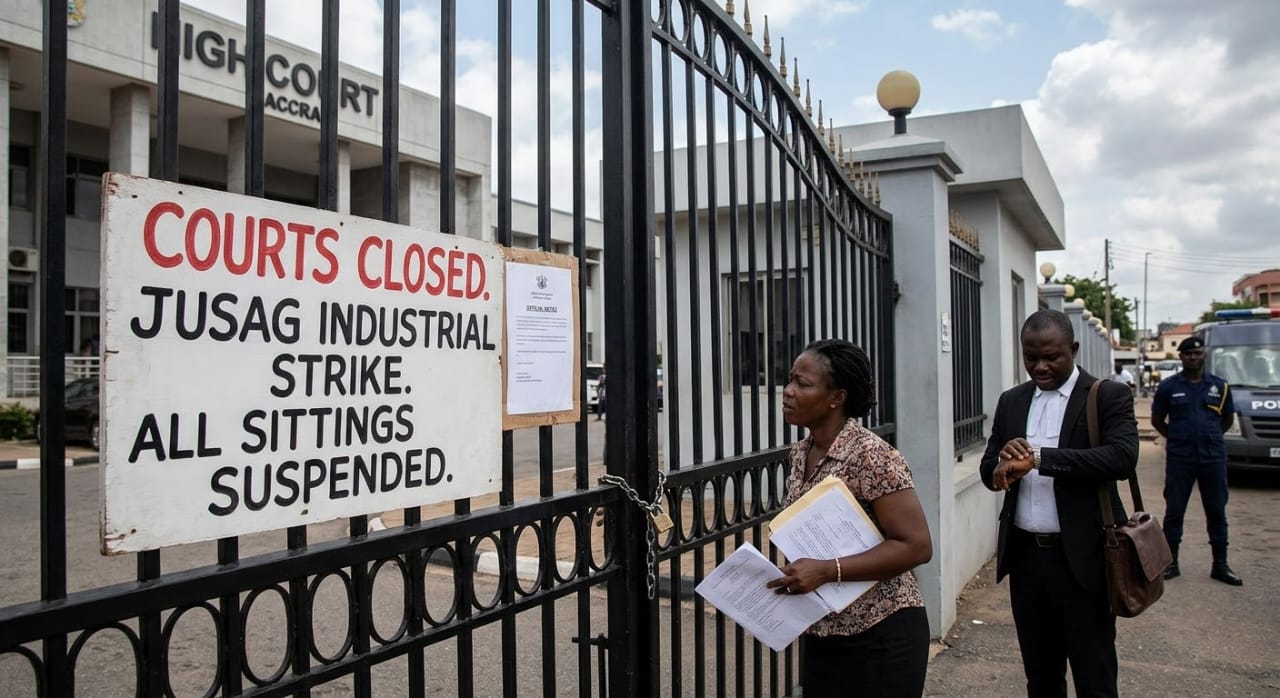
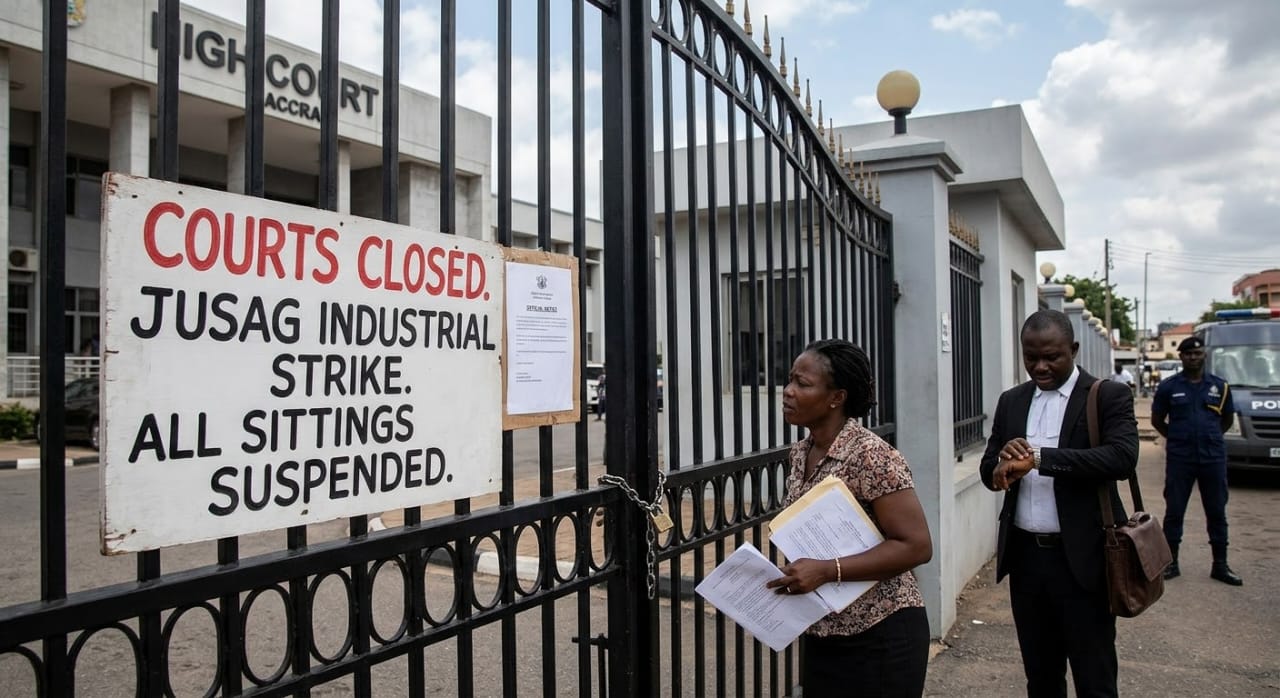
The Labor Union has been on an industrial strike since Monday, 2nd November 2026, causing all courts—with the exception of the Supreme Court—to suspend sittings during this period.
This development is further compounding an already overburdened court system plagued by chronic delays and constant adjournments.
Our research desk has estimated that more than two thousand (2,000) people have been arrested by the Ghana Police Service since the declaration of this industrial strike. Consequently, these individuals have been denied the opportunity for a judicial pronouncement on their bail or remand status.
Even more concerning, several accused persons who were previously remanded with specific return dates now face indefinite uncertainty, with no realistic prospect of accessing the courts to seek their freedom.
These matters are deeply troubling and detract from Ghana’s standing as a bastion of the rule of law and democracy. While our Constitution mandates that a person arrested or detained be brought before a court within 48 hours, the JUSAG strike has rendered this fundamental right a far-to-reach luxury.
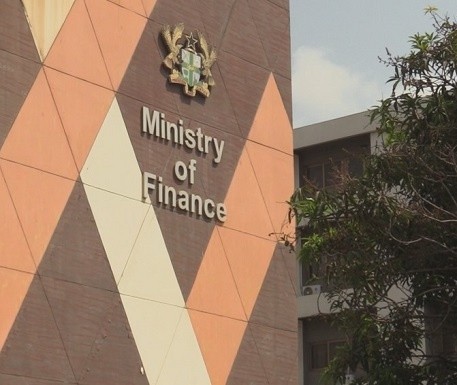
We hereby call on the President of the Republic, the Minister for Finance, the Minister for Justice, and the Minister for Employment and Labour Relations to give this industrial action the urgent attention it deserves in order to bring it to an immediate end.
We are further urging the Inspector General of Police to issue a directive to all investigators to grant bails in all minor offences that have come before their police stations in order to decongest the already congested cells.
We also call on the Chief Justice to institute specialised courts made up of High Court Judges assisted by Circuit or District Court Judge acting as clerks or recorders to sit Soley on bail applications especially of persons to ensure the fundamental human rights of all accused persons do not become elusive to them due to the ongoing industrial strike by JUSAG.
Finally, we call on the Parliament of Ghana to consider a bails Act that will be through enough to cover situations such as this. Ghana’s bail regime is regulated by a law that was passed in 1960. (The Criminal Procedure Act, Act 30) which has been developed by practice of the court over the years.
Signed:
Richard Nii Amarh
Head of Legal,
Centre for Legitimacy and Rule of Law